

Agentic Marketing Explained: How Skills, Tools, and Context Enable AI to Execute Full Workflows
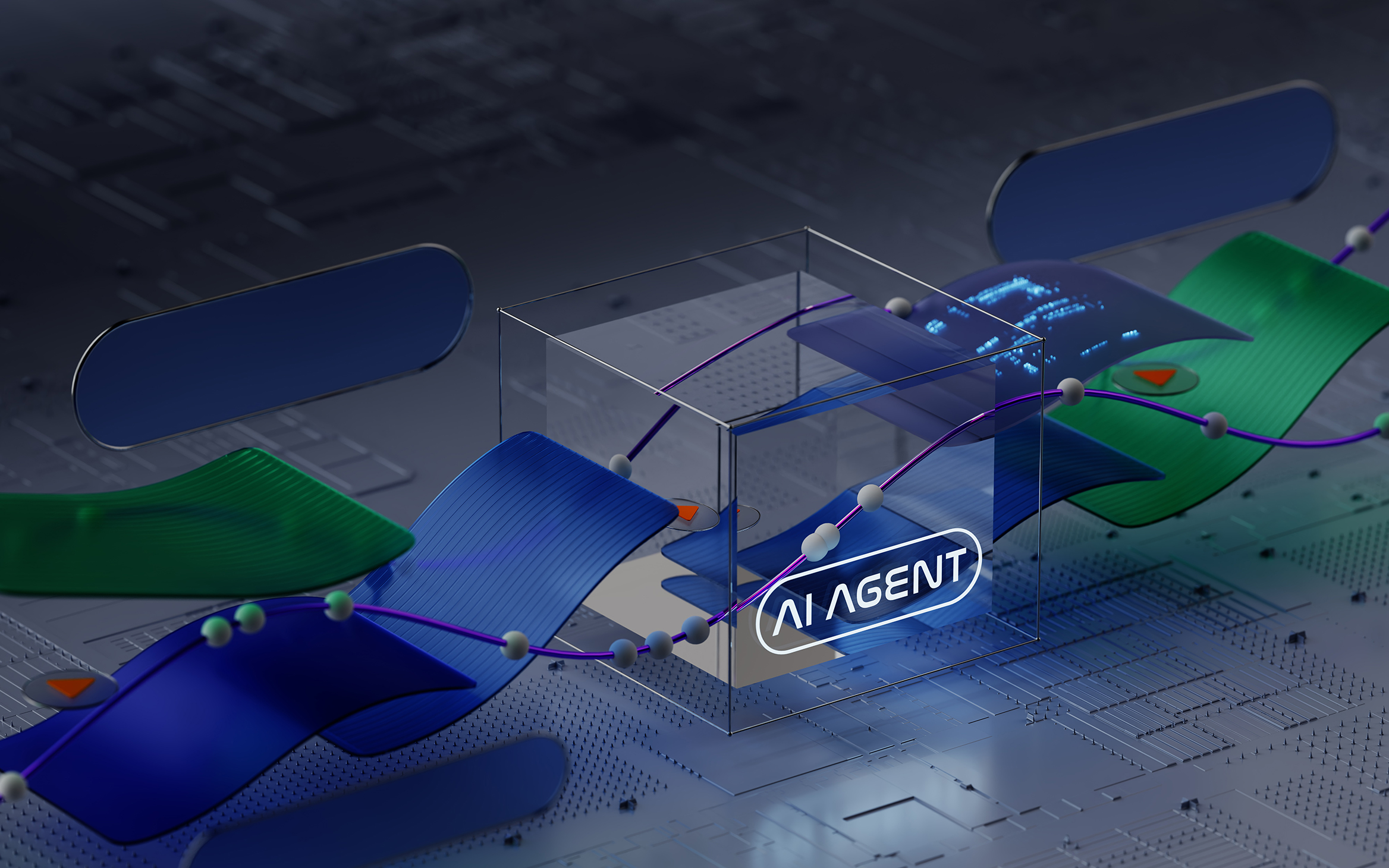

Generative AI helped marketers create content faster. Agentic AI can now help them execute entire workflows. That's the core argument in a piece by Nuri Cankaya, a 25-year marketing veteran, who introduces the concept of Agentic Marketing as a new operating model for scaling marketing without proportionally scaling headcount.
The framework distills to a single formula: Skills + Tools + Context = Agency.
Skills are specialized AI capabilities built around repeatable marketing tasks—a Product Marketing Agent that develops competitive messaging, an ABM Agent that researches target accounts, a Brand Agent that reviews content against standards, or a Performance Agent that analyzes campaign results and recommends changes. An Orchestrator Agent coordinates across all of them.
Tools are the platforms and systems agents connect to for data and execution—CRM systems, ad platforms, content repositories, analytics dashboards.
Context is the business intelligence that makes agent output relevant: brand guidelines, product positioning, customer segmentation, historical campaign results, and audience data.
For startups and mid-market companies, Cankaya argues this shift is significant. Rather than asking how many specialists a marketing org needs to hire, founders can ask which capabilities can be represented as agent-powered workflows. Sophisticated marketing functions—ABM, brand review, campaign analytics—become accessible earlier in a company's growth.
The transition also changes the role of human marketers. Traditional models put humans in the loop on every step. Agentic Marketing moves toward a human-on-the-loop model, where marketers supervise the system and intervene only on high-risk or novel decisions.
Key Takeaways
- Agentic Marketing moves AI from content creation into full workflow execution: planning, research, asset creation, distribution, and measurement
- The operating model is built on specialized agents (skills), connected systems (tools), and proprietary intelligence (context)
- The human role shifts from approving each step to supervising the system and handling exceptions
Read the full article on Entrepreneur
Stay in Rhythm
Subscribe for insights that resonate • from strategic leadership to AI-fueled growth. The kind of content that makes your work thrum.
More from Thrum
Additional pieces exploring adjacent ideas