

How Long-Horizon AI Agents Are Changing How Law Firms Get Work Done
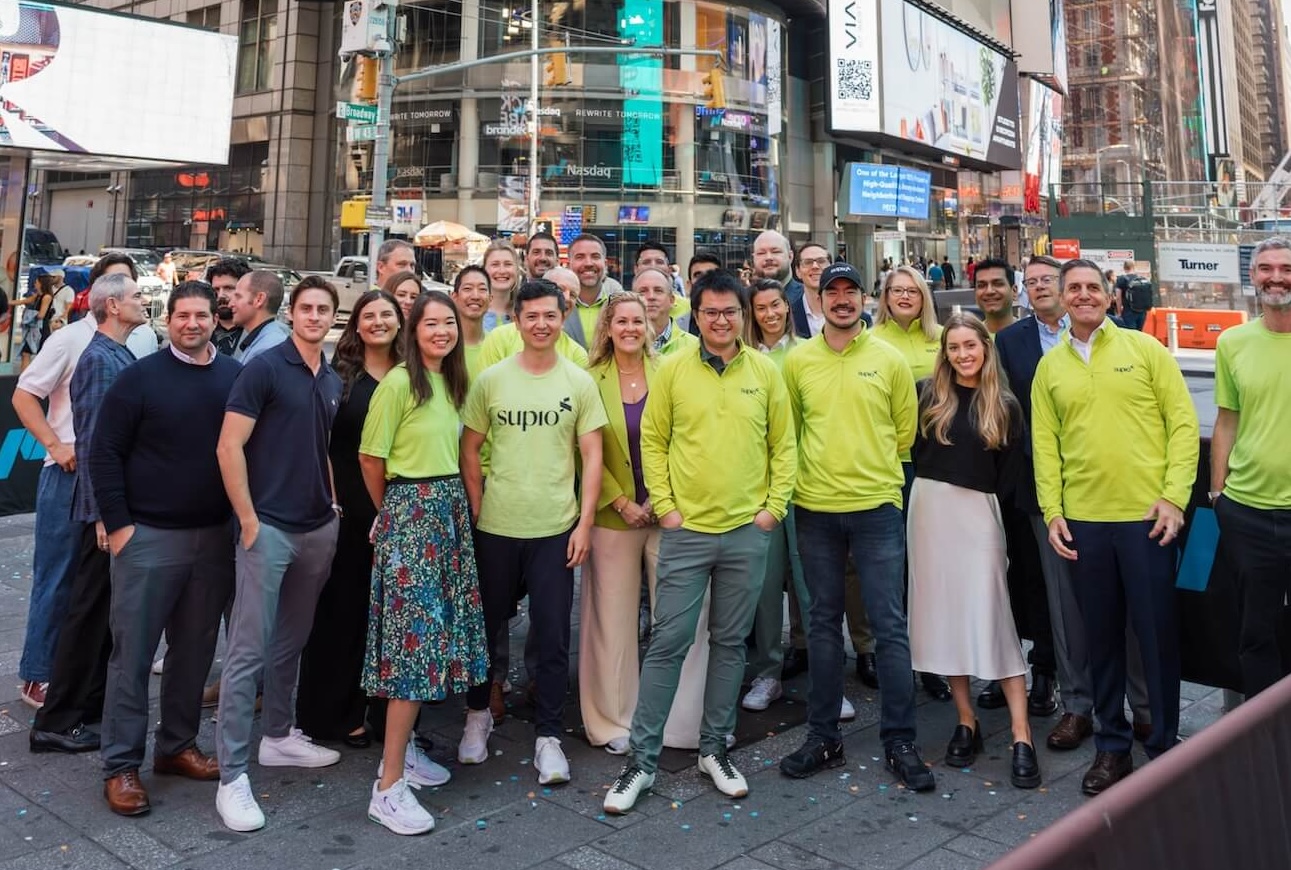

Legal AI is moving past document summaries and into something more ambitious: AI systems that take on multi-week workflows, manage external communications, and hand off to attorneys only when human judgment is needed. Supio is building what it calls a "Firm OS" — an intelligent operating layer that treats the agent not as a tool, but as an active participant in the work.
The core concept is the long-horizon agent. Unlike a chatbot that produces an answer and stops, a long-horizon agent maintains a goal across days and weeks, uses multiple tools and communication channels, makes bounded decisions, and escalates exceptions to a person. Supio applies this model to plaintiff law firms, where roughly two-thirds of case work involves communication with parties outside the client — providers, insurers, and courts.
A worked example from the article: a simple instruction to "get the records from the provider" can involve validating provider contacts, identifying the request process, completing HIPAA paperwork, faxing the request, following up by phone or email over days or weeks, ingesting records on arrival, and alerting the team if the process stalls. That is the definition of a long-horizon task.
Key Takeaways
- The system documents its own work. Unlike a case management system that records activity after a person performs it, an agentic system can perform certain activities and record them as they occur.
- Firm-specific knowledge is the differentiator. Trial lawyer Bob Simon described building an agent connected to his SharePoint, Outlook, CMS, past trial materials, depositions, and litigation manuals — codifying his own playbook rather than using generic AI.
- Human review remains non-negotiable. Simon's practice is to verify source links and key exhibits before relying on agent output. The agent managed the workflow; the attorney confirmed the substance.
The legal sector is a useful proving ground for agentic AI precisely because it is document-intensive, regulated, and dependent on trust and accountability.
Read the full article on SiliconANGLE
Stay in Rhythm
Subscribe for insights that resonate • from strategic leadership to AI-fueled growth. The kind of content that makes your work thrum.
More from Thrum
Additional pieces exploring adjacent ideas