

Why AI Still Needs the Open Internet—And What That Means for Advertisers
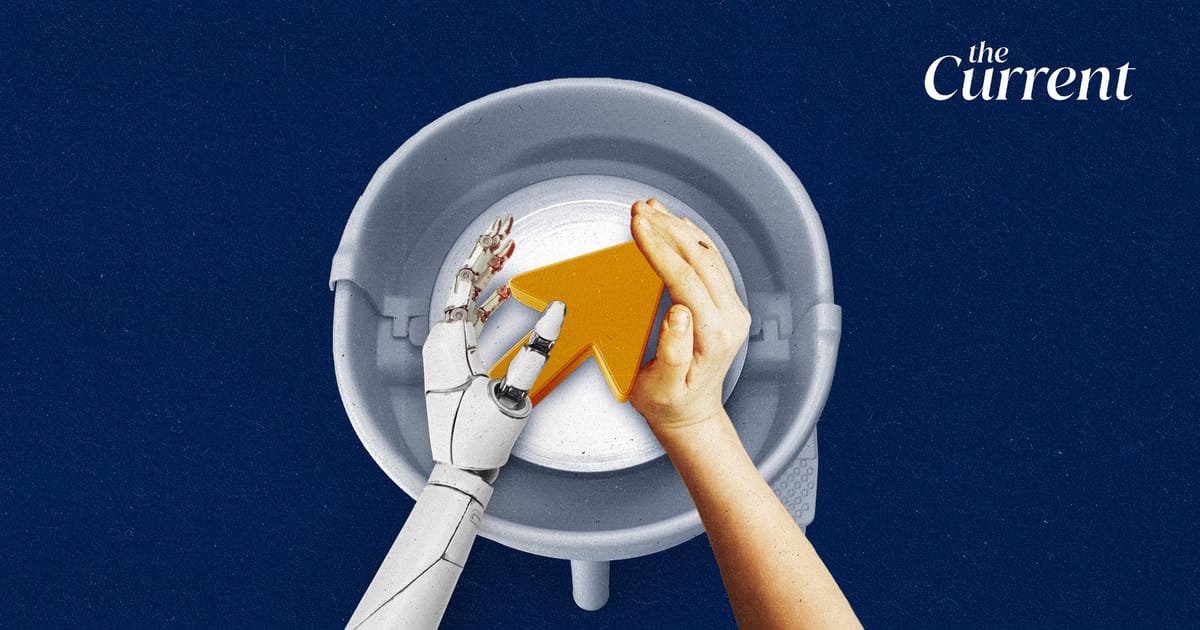

AI-generated answers are changing how people find information—but consumers still anchor trust in the open web that feeds those answers.
At EMarketer’s Future of Digital Summit in New York, Vice President Stephanie Paterik reported that 1 in 3 U.S. consumers will use generative AI for shopping by 2030. Currently, AI accounts for approximately 2.9% of search activity. The adoption curve is there. But trust lags in a specific and measurable way: TTD Intelligence data presented at the summit shows consumers are 1.3x more likely to trust the open internet over AI tools, and 2.1x more likely to rely on the open internet for significant decisions.
The credibility concern is reinforced by accuracy: LLM search answers carry an estimated 10-15% inaccuracy rate. Eighty-eight percent of consumers say they are not fully comfortable relying solely on AI.
For advertisers, the summit underscored a related finding: premium media environments deliver a 20% lift in advertiser trust, 37% better perceived quality, and 41% higher purchase intent compared to non-premium placements.
Key Takeaways
- AI discovery is growing, but consumer trust routes through the open web: Consumers are 2.1x more likely to use the open internet for big decisions, per TTD Intelligence.
- LLM accuracy is a compounding credibility risk: A 10-15% inaccuracy rate creates ongoing friction between AI convenience and user confidence.
- Premium content drives purchase intent: A 41% lift in purchase intent from premium media is a direct signal for where ad budgets belong.
Read the full article on The Current.
Stay in Rhythm
Subscribe for insights that resonate • from strategic leadership to AI-fueled growth. The kind of content that makes your work thrum.
More from Thrum
Additional pieces exploring adjacent ideas