

Capcom Is Using AI to Test Games Overnight — But Not to Make Them
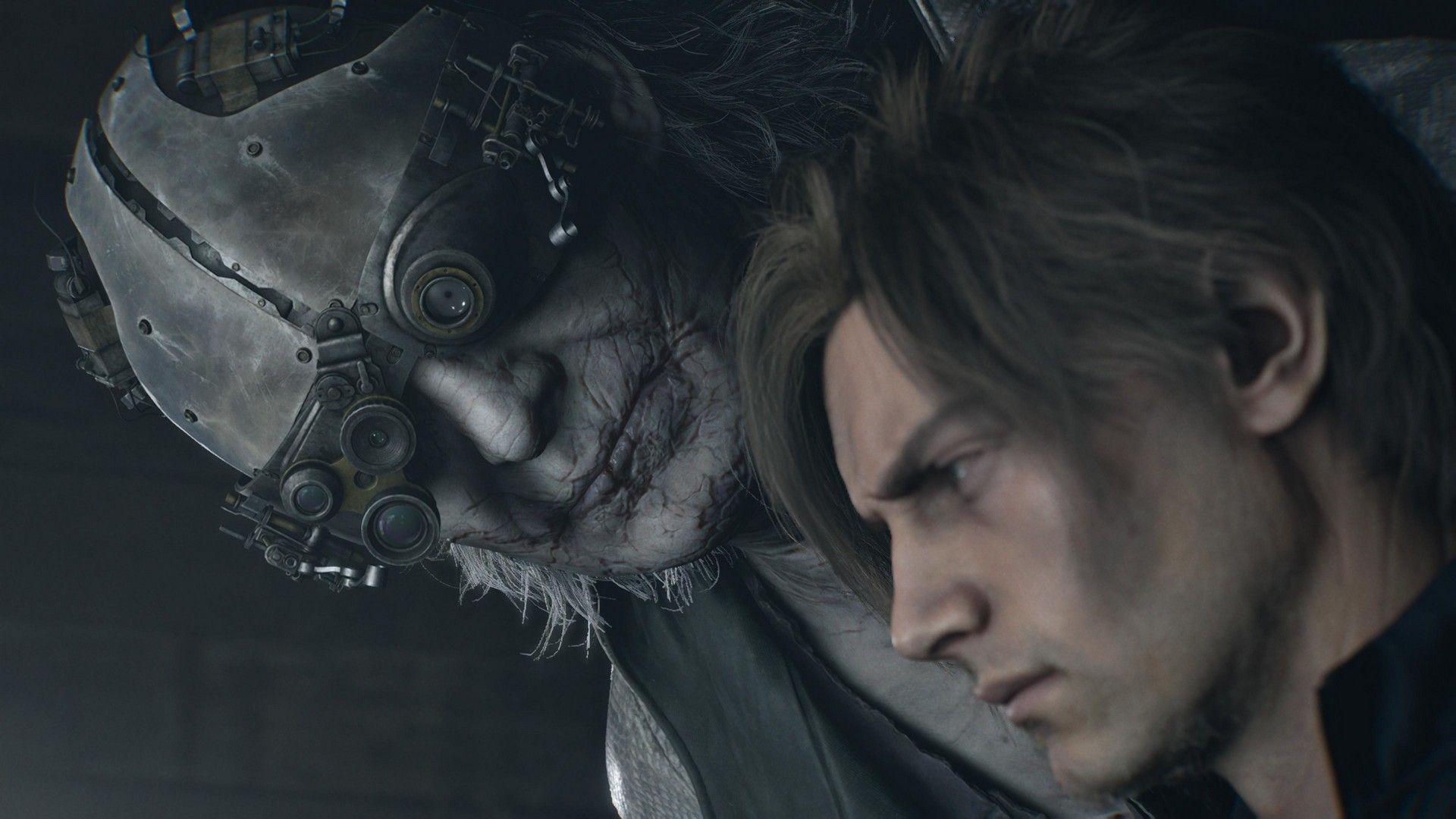

Capcom makes some of the most visually and mechanically complex games in the industry. And the company has decided that generative AI is useful for testing them — but not for building them.
That distinction matters as AI becomes an increasingly contested topic in creative industries.
Capcom executive Shinichi Inoue, who serves as vice president of game development platform and AI solutions, told Japanese outlet 4Gamer that the company has no plans to use generative AI for asset creation in games like Resident Evil Requiem or Monster Hunter Stories 3. The reason: human creators are simply better.
"Even top-tier AI still cannot match our creators when it comes to sensibility," Inoue said. "That's the current reality."
Where Capcom Is Using AI
Rather than asset generation, Capcom is deploying AI in areas that benefit from automation without requiring creative judgment:
- Automated playtesting: A system powered by Google Gemini and in-house AI runs overnight, testing gameplay and reporting findings to debugging check agents
- Concept alignment checking: A secondary AI agent evaluates test reports against the game director's original concept before surfacing issues to human reviewers
- Routine communication and documentation: AI handles administrative work, reducing burden on development teams
The system screens for issues that are "highly likely to be incorrect when compared to the game's intended concept" — essentially pre-filtering noise before human reviewers engage.
The Broader Lesson
Capcom's approach reflects a framework increasingly valuable across industries: use AI to reduce the cost of routine, high-volume work while protecting the human creativity that defines the product. In creative organizations, that distinction isn't a limitation — it's a deliberate strategy.
As Inoue put it, "concentrating human effort on work requiring this kind of sensibility is more efficient from the standpoint of human capital management, and it's also important for coexistence with creators."
🔗 Read the full article on GamesRadar+
Stay in Rhythm
Subscribe for insights that resonate • from strategic leadership to AI-fueled growth. The kind of content that makes your work thrum.
More from Thrum
Additional pieces exploring adjacent ideas