

Why Enterprise AI Budgets Are Breaking — And What Leaders Must Fix Now
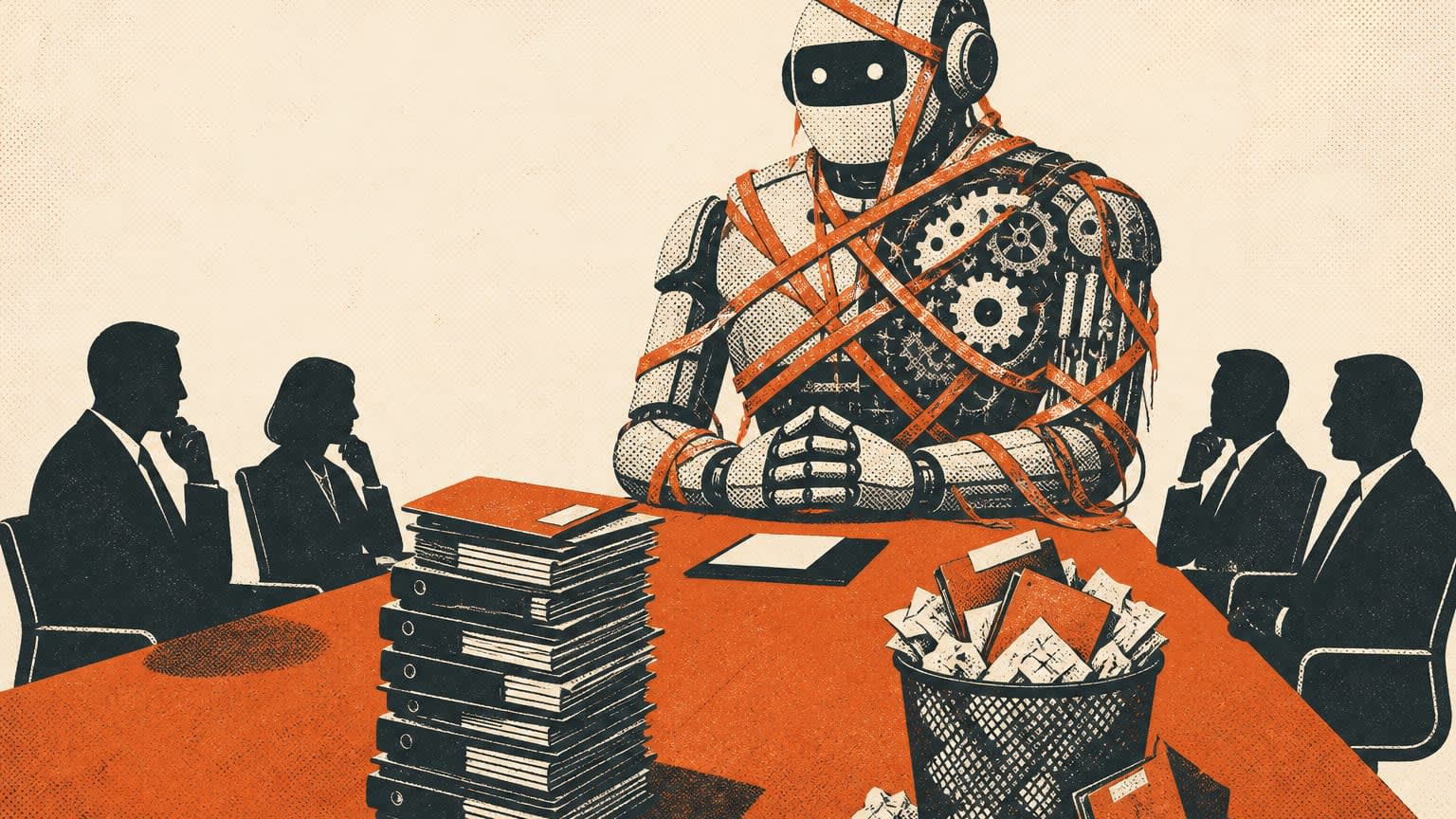

One in four enterprise AI projects is being cancelled or delayed — not because the technology failed, but because no one could see what it cost. That is the sharpest finding from new data compiled by Gartner, Mavvrik, and Deloitte, and it signals a fundamental shift in how AI spending must be managed in 2026.
From Building to Running: Where the Money Is Going
Enterprises have crossed a threshold. Organizations now spend more on running AI than on building it — a pattern Gartner calls a clear sign of deployment maturity. AI tools piloted in 2024 and 2025 are hitting full production in 2026, and production costs dwarf pilot costs in ways most finance teams were never built to absorb. Google raised its capital expenditure guidance to $205 billion, signaling the infrastructure floor enterprise buyers will eventually pay through cloud usage fees.
Key Takeaways
- Hidden costs are killing projects at scale. Mavvrik research found poor spend visibility leads 1 in 4 businesses to delay or cancel AI projects. Tool sprawl, usage-based pricing, and shadow AI adoption outside procurement channels are the main culprits.
- Boards are not ready to govern this. A Deloitte survey found most corporate boards lack formal rules for AI use, leaving governance to individual department heads — who then accelerate the very tool sprawl generating surprise costs.
- The fix is instrumentation, not restriction. Leading CIOs like those at Home Depot are consolidating tech leadership under unified structures. The priority is a single real-time view of AI spend by business unit, vendor, and use case — before approving any net-new tools.
The organizations that solve AI financial operations in 2026 will be positioned to scale while competitors are still cancelling pilots.
Read the full article on MarketScale
Stay in Rhythm
Subscribe for insights that resonate • from strategic leadership to AI-fueled growth. The kind of content that makes your work thrum.
More from Thrum
Additional pieces exploring adjacent ideas