

Why Top Universities Are Embedding Generative AI Into Professional Design Degrees
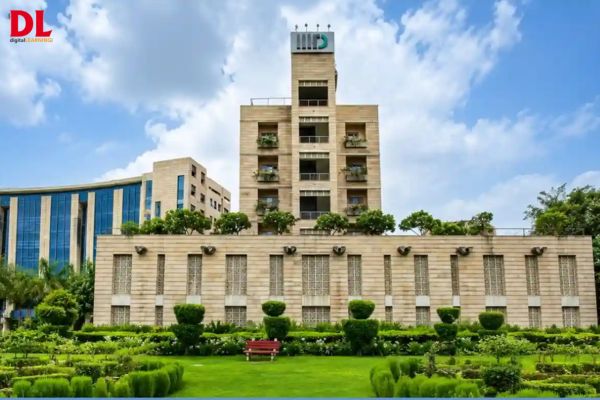

India's leading technical institutions are no longer treating Generative AI as an elective add-on. IIIT Delhi has launched a full Post Graduate Diploma Programme in Interaction Design and UX, built around AI, AR, and VR skills—a clear signal that the next generation of design and technology professionals will be expected to arrive already fluent in these tools.
What the Programme Covers
Developed in collaboration with TimesPro, the 12-month blended programme includes training in Augmented Reality (AR), Virtual Reality (VR), wearable interfaces, and Generative AI—alongside design thinking, human-centered innovation frameworks, and user experience methodology. The format combines live online classes with campus immersion sessions, targeting both current students and working professionals looking to pivot or advance.
IIIT Delhi faculty and researchers developed the curriculum with an explicit focus on industry-oriented outcomes, signaling that this isn't purely academic—it's designed to produce skills the job market is actively requesting.
Key Takeaways
- Generative AI is now core curriculum, not an elective. Elite technical schools are embedding AI skills into design, UX, and product programmes, not just CS tracks.
- The hybrid format targets professionals. The mix of online instruction and campus immersion is designed to be compatible with existing careers, lowering the barrier to reskilling.
- AR/VR and AI are converging in the workplace. Including wearable interfaces alongside Generative AI reflects where enterprise product design is heading—especially in health, logistics, and retail.
For professionals in marketing and operations, this signals the direction the talent market is moving. The expectation of AI fluency is migrating from "tech role" to "every role."
Stay in Rhythm
Subscribe for insights that resonate • from strategic leadership to AI-fueled growth. The kind of content that makes your work thrum.
More from Thrum
Additional pieces exploring adjacent ideas