

Why Gamers Are Pushing Back Against Generative AI Visuals
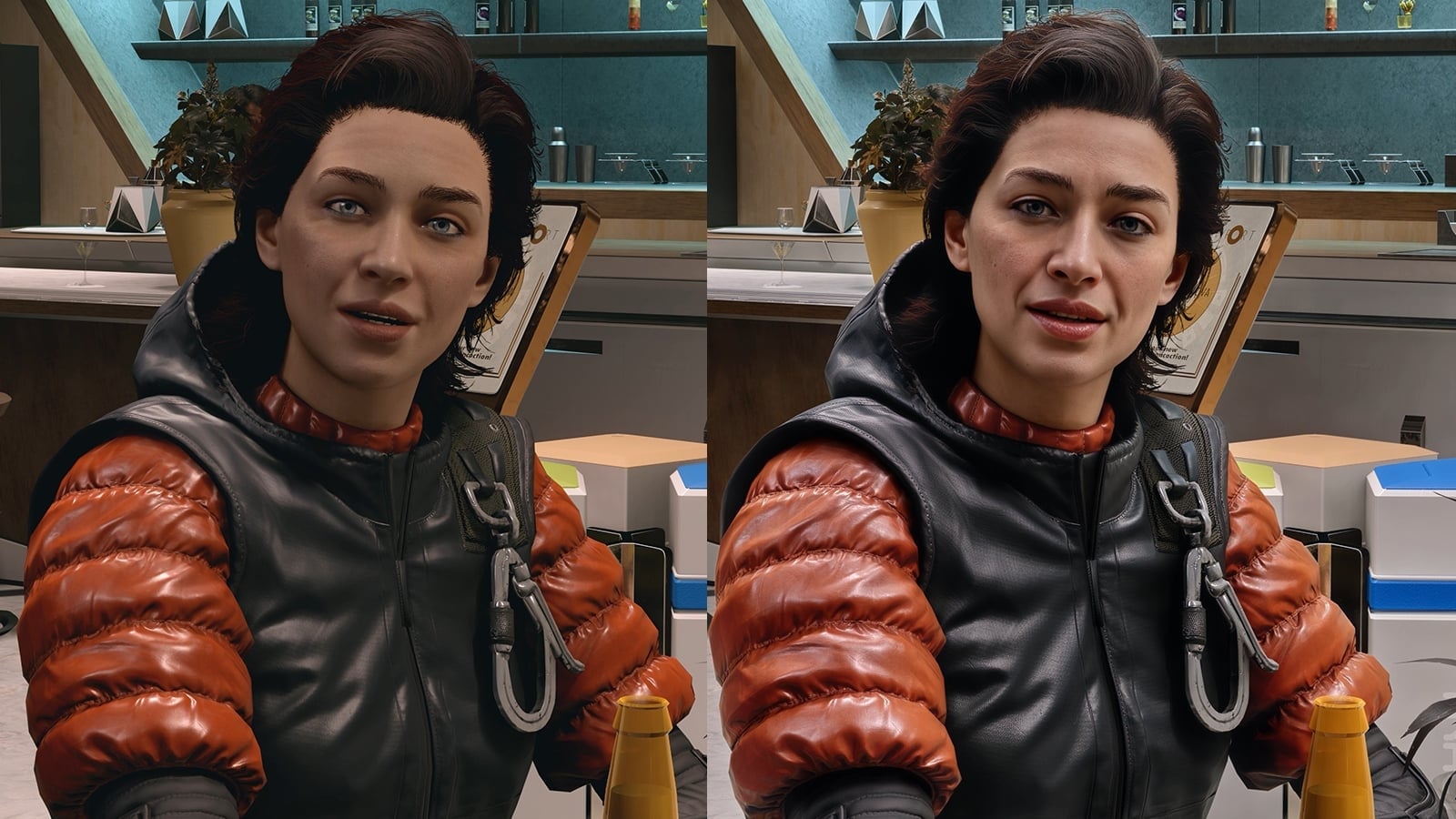

Nvidia is the world's most valuable company, and it just set off a debate that cuts to the heart of how consumers feel about generative AI. The company recently announced DLSS 5 — a technology that uses AI to make games more photorealistic by generating and enhancing visual frames in real time. The announcement was meant to excite gamers. Instead, it ignited a backlash.
Writing for RTÉ Culture, the piece explores what the gaming industry's struggle with generative AI reveals about a resistance pattern that's showing up across creative sectors.
Why Gamers Are Pushing Back
The controversy centers on a specific concern: generative AI changes the look of a game without player consent, and often against the aesthetic choices of the original creators. When a game ships with a particular visual style, using AI to "enhance" it post-hoc can feel like overriding an artistic decision — not improving it.
Key Takeaways
- Consumer resistance to generative AI is growing in creative industries. Gaming is an early flashpoint, but the same tension is appearing in film, music, and visual art — audiences want to know what was made by humans and what wasn't.
- The "better" assumption is contested. Tech companies assume photorealism equals quality. Many consumers and creators disagree — stylized, hand-crafted visuals carry meaning that AI-generated enhancements can erase.
- Transparency and control are the threshold. The backlash isn't anti-AI by nature. It's anti-opaque AI. Players want to know when AI is being used and want the ability to opt in or out.
- This dynamic will shape AI tool adoption broadly. Businesses deploying generative AI in customer-facing contexts should expect similar reactions when AI changes experiences without clear disclosure.
Read the full article on RTÉ
Stay in Rhythm
Subscribe for insights that resonate • from strategic leadership to AI-fueled growth. The kind of content that makes your work thrum.
More from Thrum
Additional pieces exploring adjacent ideas