

Microsoft Scales Back Copilot in Windows 11 After User Backlash
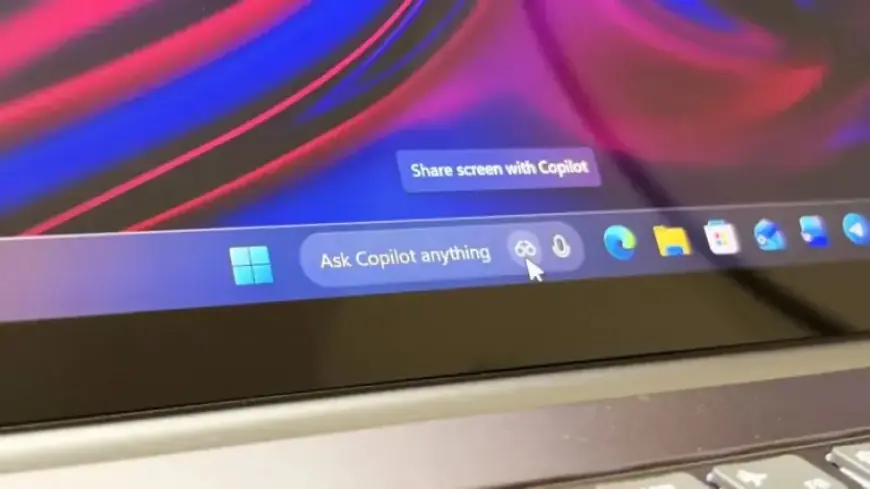

Microsoft Scales Back Copilot Integration Following User Backlash
Microsoft is making strategic adjustments to its AI approach in Windows 11, reducing Copilot's presence across built-in applications while refocusing efforts on enhancing the Recall system. The changes come in direct response to widespread user criticism about poorly executed AI integrations.
The software giant launched Windows Recall in 2024, an AI feature that faced immediate criticism over security and privacy concerns, forcing Microsoft to delay implementation by a full year. This early setback highlighted users' growing frustration with the company's aggressive AI rollout strategy.
Copilot Pullback Strategy
User pushback against Copilot integrations in File Explorer, Notepad, and Paint has prompted Microsoft to pause additional rollouts and consider removing existing implementations. The criticism intensified after a controversial tweet from Windows president Pavan Davuluri, leading to internal calls for AI strategy reevaluation.
Key changes include:
- Paused rollouts of new Copilot buttons in built-in apps
- Potential removal of Copilot from Notepad and Paint
- More tactical approach to future AI integrations
Recall System Overhaul
Windows Recall is undergoing significant review, with sources indicating the current implementation falls short of expectations. Microsoft is exploring ways to evolve the feature while potentially abandoning the "Recall" branding entirely—signaling a fundamental shift in how the company approaches AI integration.
Continuing AI Initiatives
Despite scaling back consumer-facing features, Microsoft continues developing core AI infrastructure including Semantic Search, Agentic Workspace, Windows ML, and Windows AI APIs. These projects maintain strategic importance to the company's long-term AI vision.
The strategic pivot reflects Microsoft's recognition that effective AI integration requires user acceptance, not just technical capability. By streamlining where and how AI appears in Windows 11, the company aims to rebuild user trust while maintaining its competitive position in the AI landscape.
🔗 Read the full article on Filmogaz
Stay in Rhythm
Subscribe for insights that resonate • from strategic leadership to AI-fueled growth. The kind of content that makes your work thrum.
More from Thrum
Additional pieces exploring adjacent ideas