

Why Your AI Strategy Is Failing — And It’s Not the Technology
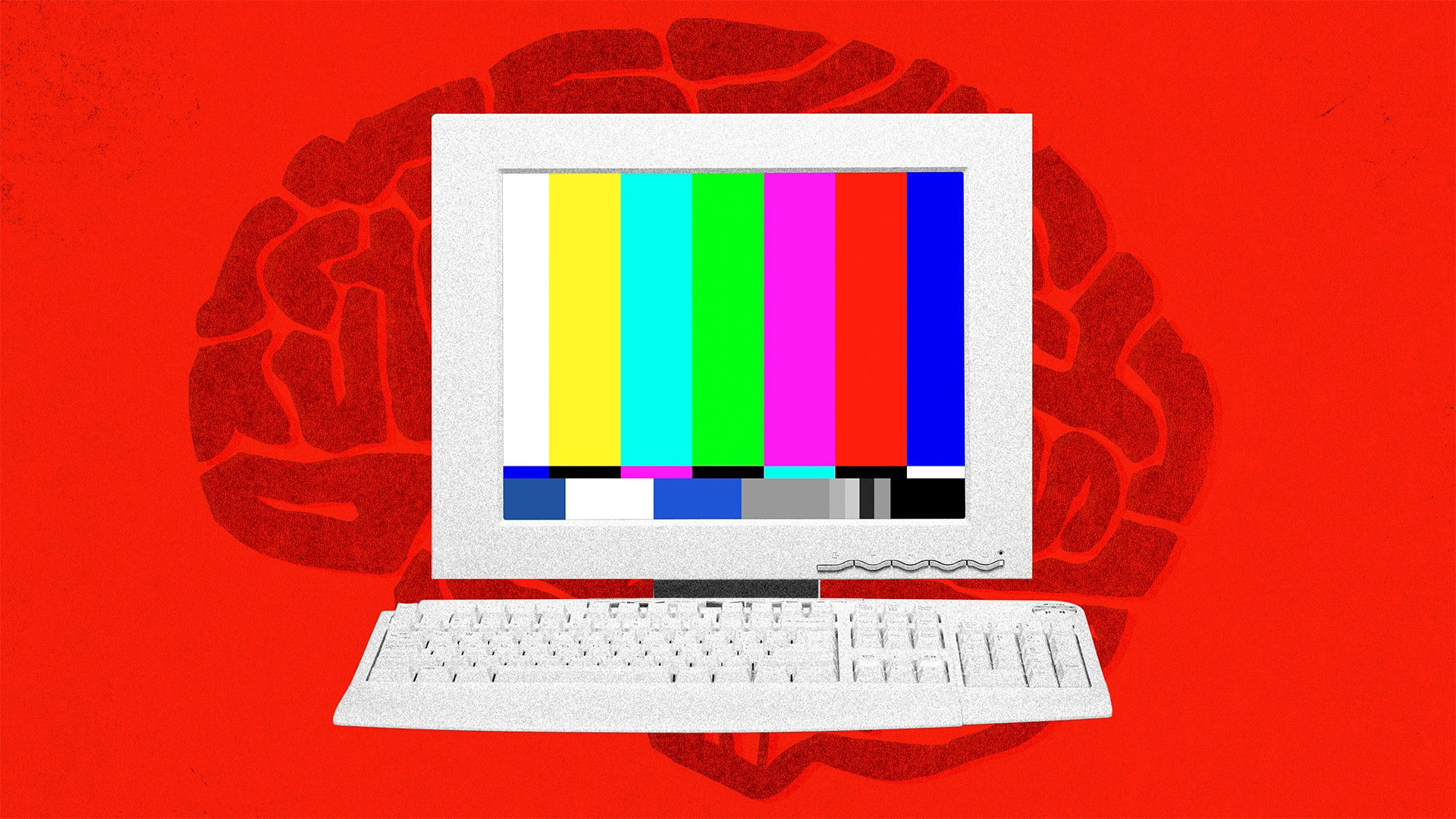

Your organization may be pouring budget into AI tools, models, and platforms — but if the results aren't showing up, the technology isn't the culprit. According to a new expert opinion piece in Inc., the real threat to your AI strategy is what your team believes about it.
Author Rebecca Hinds, citing behavioral science research from Nir Eyal's book Beyond Belief, opens with a striking example: a 26-year-old man who nearly collapsed from a drug overdose — except the pills were placebos. His beliefs alone produced a physiological crisis. Vitals stabilized within 15 minutes of learning the truth.
The parallel to AI adoption is direct. When employees are labeled "not tech-savvy" or organizations are branded "resistant to AI," those labels become self-fulfilling. A 2024 study by psychologist Nick Haslam found that diagnostic labels make both individuals and their colleagues more pessimistic about recovery — not because the underlying condition changed, but because the framing did.
Key Takeaways
- Beliefs drive outcomes: The mindset your team carries into AI adoption shapes results more than the tools themselves. Negative labels about capability calcify into barriers.
- Reframe the language: Shifting from fixed labels ("we're not an AI company") to behavioral descriptions ("we haven't yet integrated AI into our workflows") opens the door to change.
- The AI gap is a belief gap: Leaders who treat AI transformation as a technology deployment miss the human change management layer that determines whether adoption sticks.
For business leaders investing in AI, this is a useful reframe: the rollout plan matters less than the belief system surrounding it. If your team doesn't believe AI will work for them, it probably won't.
🔗 Read the full article on Inc.
Stay in Rhythm
Subscribe for insights that resonate • from strategic leadership to AI-fueled growth. The kind of content that makes your work thrum.
More from Thrum
Additional pieces exploring adjacent ideas